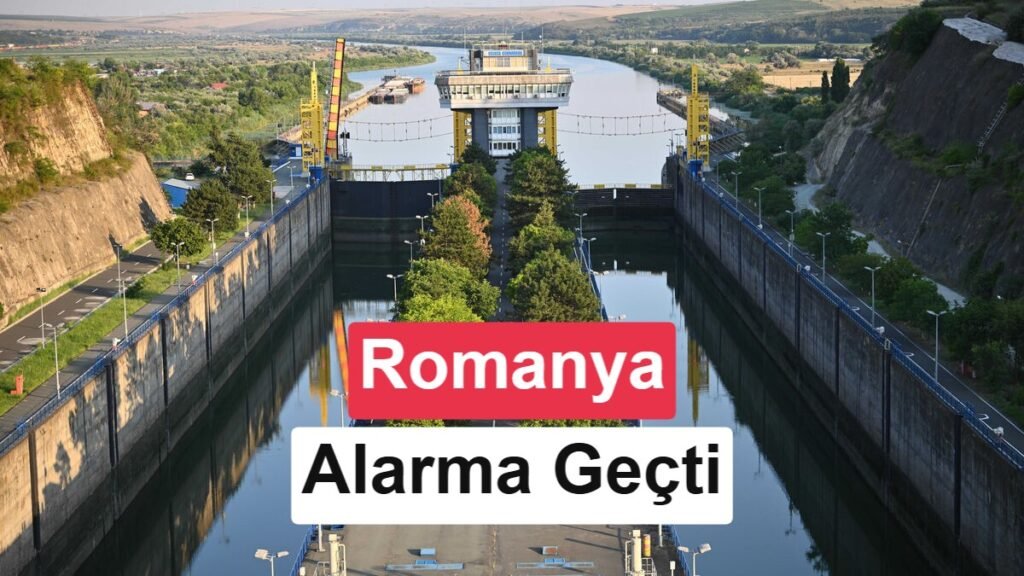
Romanya’daki Enerji Krizi: Nükleer Santral ve Ford Otosan Etkilendi
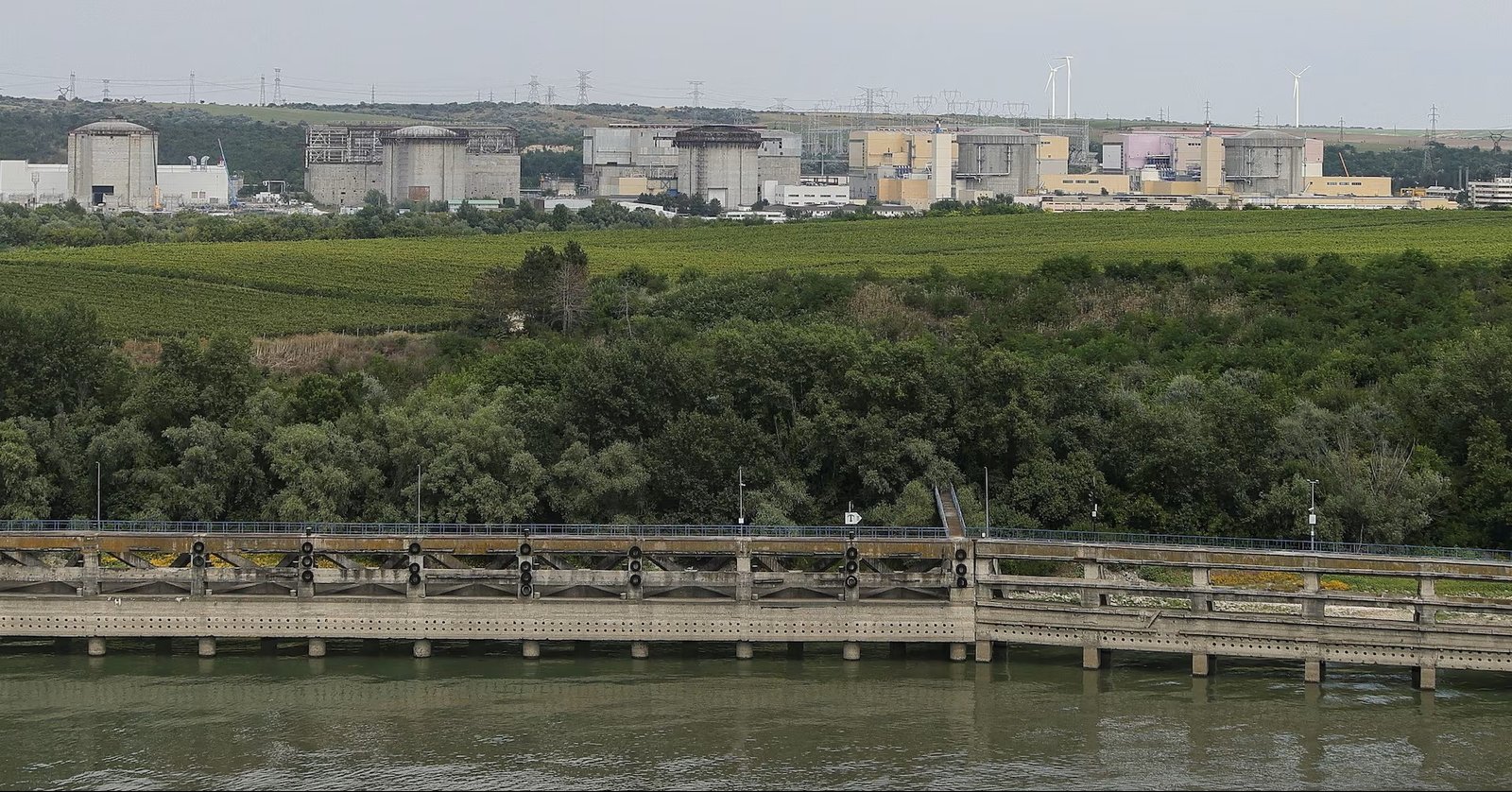
Romania is facing a new crisis in nuclear electricity production due to the water levels in the Danube River dropping to historic lows. The second reactor at the state-owned Cernavodă Nuclear Power Plant, which provides around one-fifth of the country’s electricity, may also be taken offline in a controlled manner on August 13.
The state-owned nuclear energy company Nuclearelectrica of Romania announced that the continuation of the second reactor’s operation would be evaluated based on weather predictions, water levels in the Danube River, and the operational parameters of the plant due to difficulties in securing the necessary cooling water.
The two reactors at Cernavodă supply approximately 20 percent of the country’s electricity. One of the reactors was already shut down at the end of July due to record low water levels in the Danube River, rendering 680 megawatts of nuclear production capacity unavailable.
Critical Water Levels in the Danube River
Data shows that the water level in the Danube at Cernavodă plummeted to -227 centimeters on August 10. The minimum required level for the plant’s operation is -230 centimeters.
The flow rate at the entry point of the Danube into Romania reached an all-time low of 1,370 cubic meters per second on Tuesday. Officials responsible for water management in Romania warn that shutting down the second reactor may become inevitable.
Authorities predict that the decline in river levels will continue at a rate of approximately 2 centimeters per day until August 14. After this date, the decline is expected to slow to about 1 centimeter per day, yet water levels are projected to reach about -236 centimeters by August 16.
Electricity Interruptions in Industry on the Agenda
A gradual electricity interruption mechanism has also been prepared for industrial companies if production cannot meet demand. The grid operator, Transelectrica, can cut off electricity for some major industrial consumers with at least 24 hours’ notice in case of necessity.
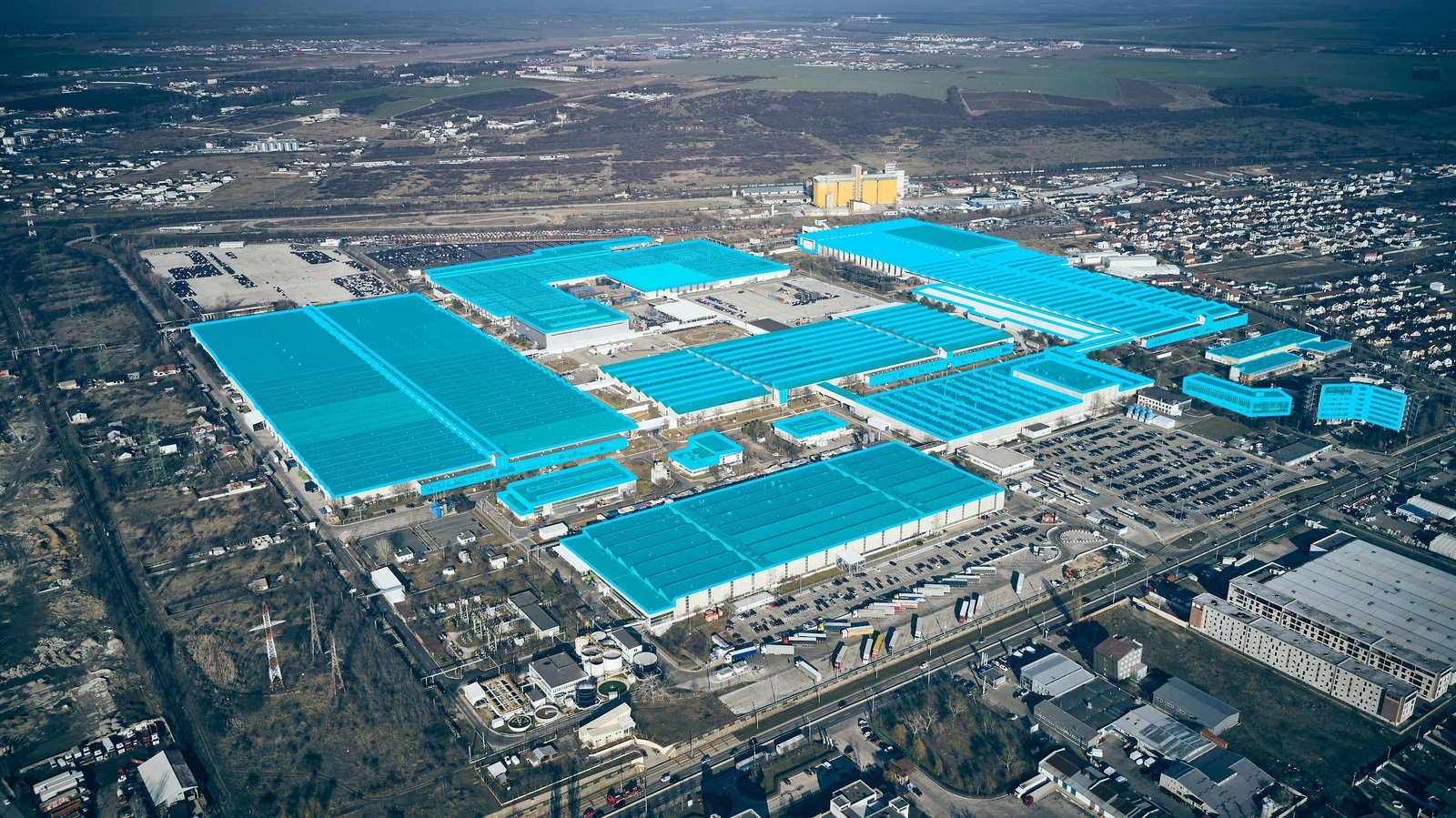
In Romania, in addition to nuclear energy, solar and wind sources also contribute significantly to electricity production. However, the strain caused by the production loss at the nuclear power plant is already affecting the industry. The country’s two largest automotive manufacturers, Dacia and Ford Otosan, have halted production until the end of August, reducing the country’s electricity demand by approximately 200 megawatts.
Ford’s facility in Romania produces Puma, Transit Courier, and Tourneo Courier (including their electric versions). Dacia manufactures Duster and Bigster.
Ford Otosan stated that the production halt was planned in advance and that production would resume by August 19: “The production halt at Ford Otosan’s Craiova Plant from August 1 to 19, 2026, was planned in advance as part of the annual leave and periodic maintenance schedule announced by our company on July 3, 2026, via the Public Disclosure Platform. Production is scheduled to restart on August 19, 2026, as previously announced.”
This content was updated with a statement from Ford Otosan on August 12.
References
https://www.reuters.com/business/energy/romania-could-shut-down-nuclear-reactor-thursday-danube-levels-fall-2026-08-11/
https://www.bloomberg.com/news/articles/2026-08-11/romania-may-shut-second-reactor-on-low-danube-in-coming-days